Feeding & Nutrition
My Cat Won't Eat: Common Causes and What to Do
Why cats stop eating, safe ways to tempt appetite at home, and the warning signs that mean it is time to call the vet.
Estimate how much food your cat may need each day based on its weight, life stage, activity, and the calorie information on its food packaging. Results are estimates and should be adjusted to your cat's individual needs.
Enter your cat's details and the energy value shown on the food label.
Estimated Daily Feeding Amount
Estimate based on your inputs
Actual feeding needs depend on your cat's body condition, health, age, and food formulation. Use veterinary guidance when needed. Remember to include treats and other foods in total daily intake.
The amount of food varies with age, neuter status, activity, body condition, and health. Treats and wet food should also be included when estimating total daily intake.
It depends on your cat's energy needs and the calorie density of its food. Start with the food label's guidance and seek veterinary advice when necessary.
Kittens have different growth-related nutritional needs and generally require food formulated for growth.
Use caution. Weight-management plans should consider ideal body weight and be guided by a veterinarian.
NewsPetCats offers general cat care information, not veterinary advice.
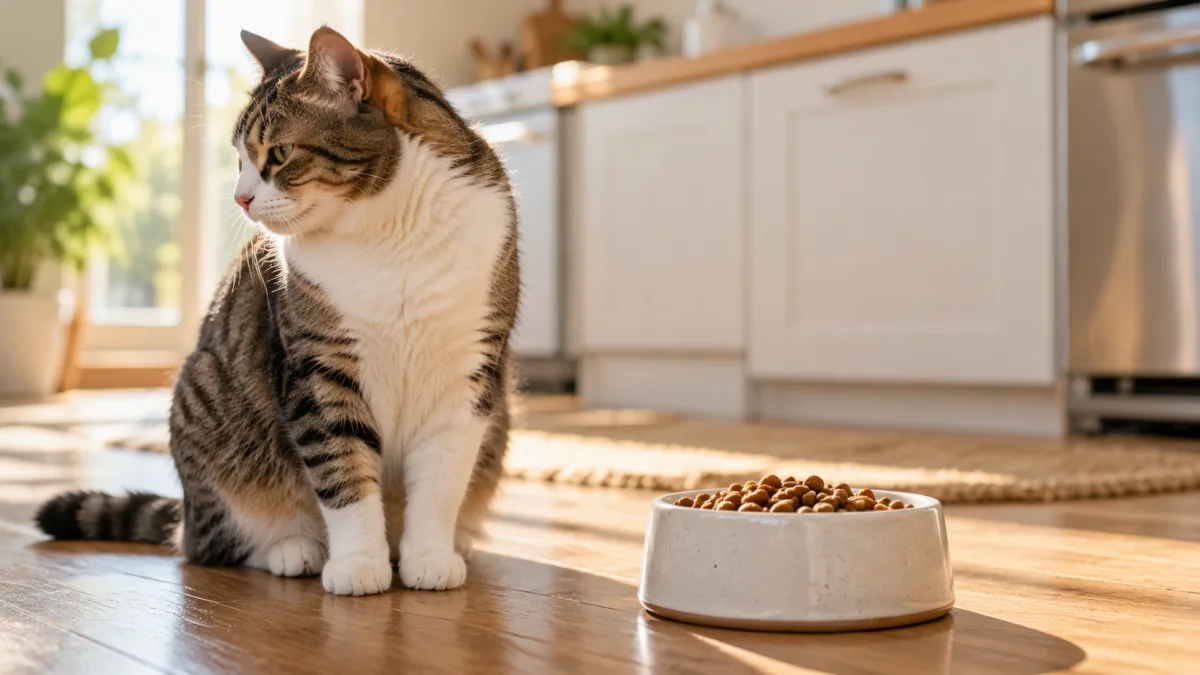
Why cats stop eating, safe ways to tempt appetite at home, and the warning signs that mean it is time to call the vet.
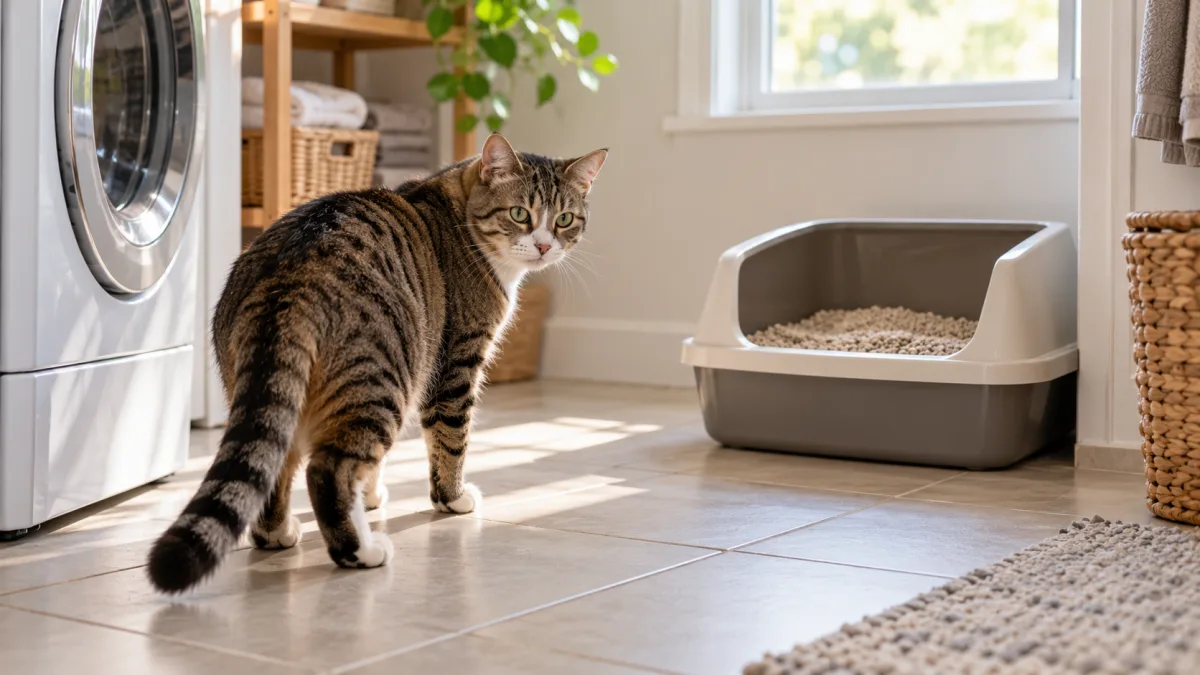
Find the real cause of litter box accidents, from health issues to box setup, location, and stress triggers.
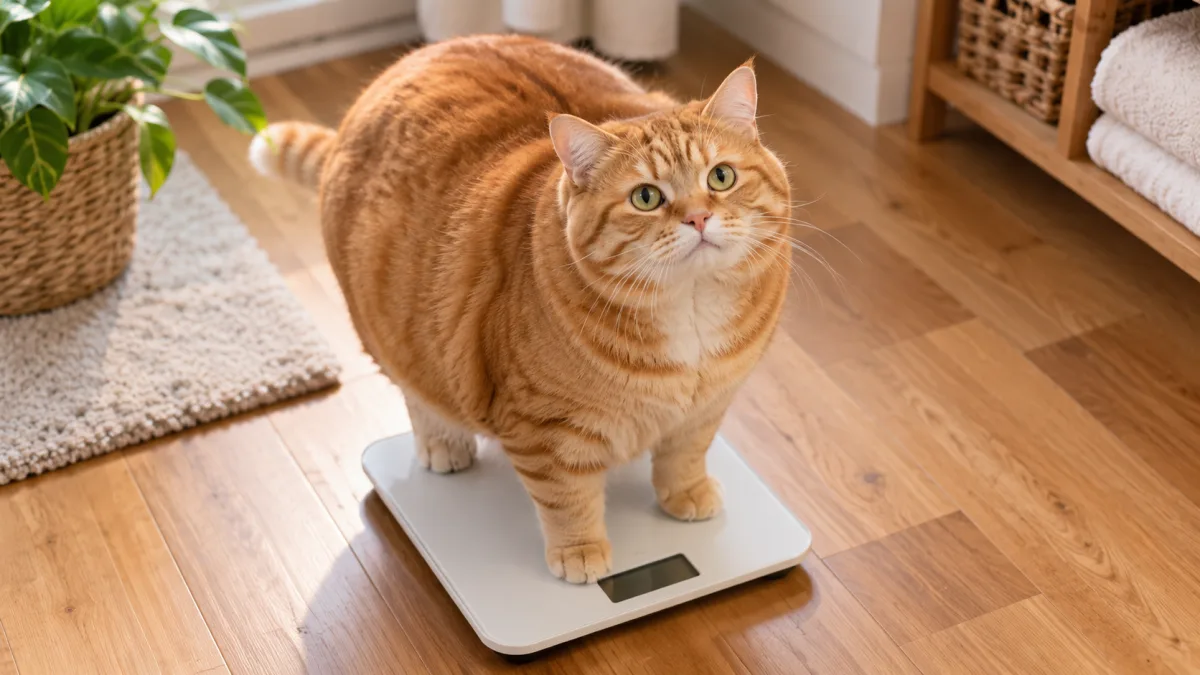
Check your cat's body condition, set a safe weight-loss pace, plan measured meals, and keep a dieting cat healthy.
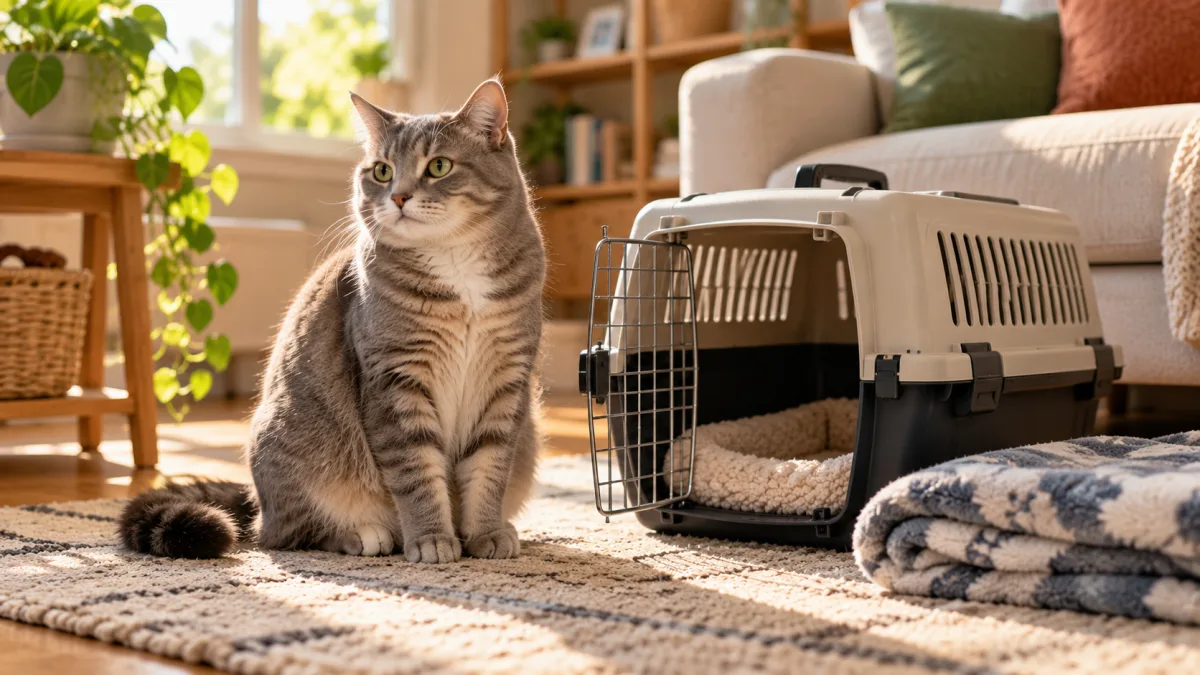
Retrain carrier fear step by step: make the carrier furniture, feed inside it, and practice short calm trips.