Feeding & Nutrition
My Cat Won't Eat: Common Causes and What to Do
Why cats stop eating, safe ways to tempt appetite at home, and the warning signs that mean it is time to call the vet.
Cats often drink less than they should. Enter your cat's weight and diet type to estimate total daily water needs, how much comes from food, and how much should come from the bowl.
Uses the common ~55 ml per kg per day guideline and typical food moisture. Cats vary—watch the bowl, not just the number.
Should drink about
—
Your result appears here
Enter your cat's weight and diet type, then tap Calculate water needs. We'll estimate total daily water and how much should come from drinking.
This calculator gives a starting estimate, not a target to force. Healthy cats self-regulate within a range; what matters is spotting changes in your own cat's normal pattern.
Not if the cat eats wet food—most of its water arrives in the food. A cat on dry food that drinks almost nothing is worth watching more closely and tempting with fountains or extra water bowls.
Many cats instinctively distrust still water and find moving water more appealing and easier to see. A fountain is a legitimate fix for a picky drinker.
No. Most adult cats are lactose intolerant, and milk commonly causes digestive upset. Fresh water is the only everyday drink a cat needs.
Drinking noticeably more than your cat's normal—especially with more urination or weight loss—deserves a vet check, since increased thirst is a classic early sign of kidney disease and diabetes.
NewsPetCats offers general cat care information, not veterinary advice.
Why cats stop eating, safe ways to tempt appetite at home, and the warning signs that mean it is time to call the vet.
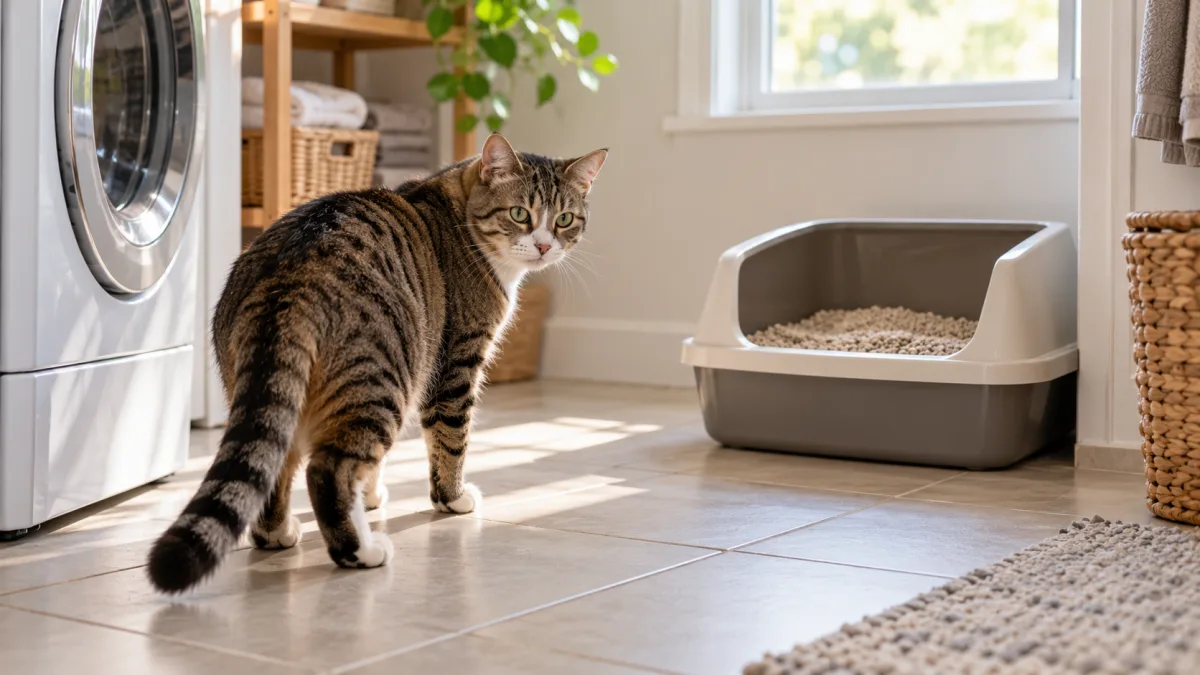
Find the real cause of litter box accidents, from health issues to box setup, location, and stress triggers.
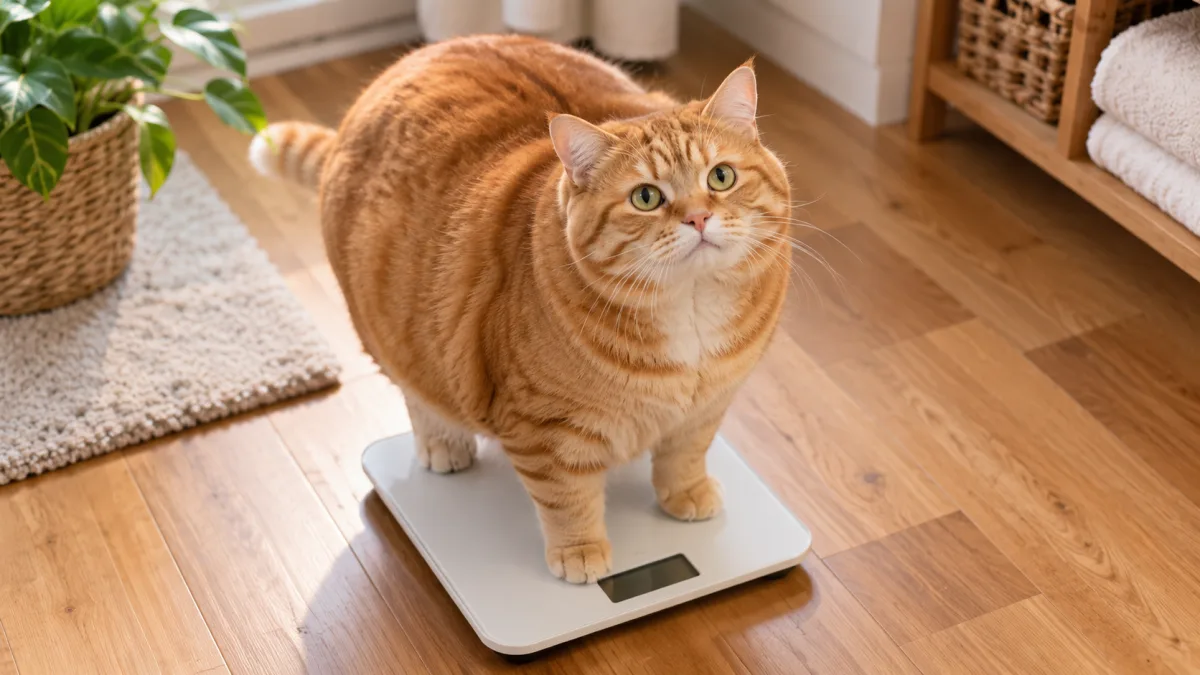
Check your cat's body condition, set a safe weight-loss pace, plan measured meals, and keep a dieting cat healthy.
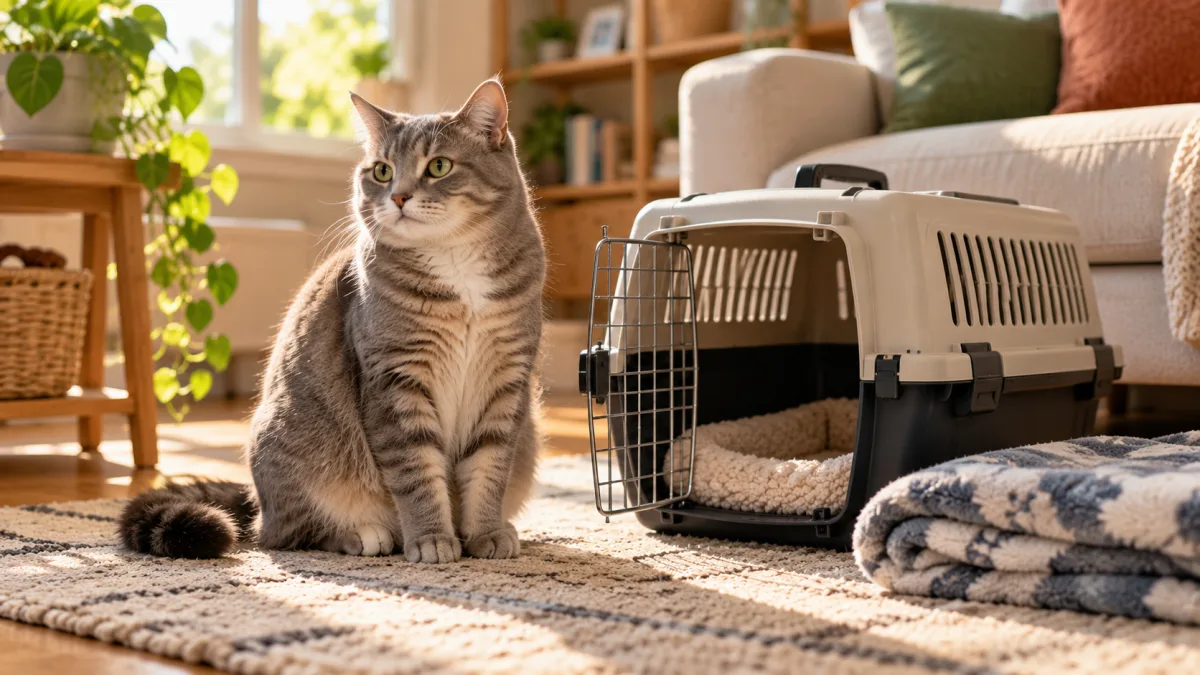
Retrain carrier fear step by step: make the carrier furniture, feed inside it, and practice short calm trips.