Feeding & Nutrition
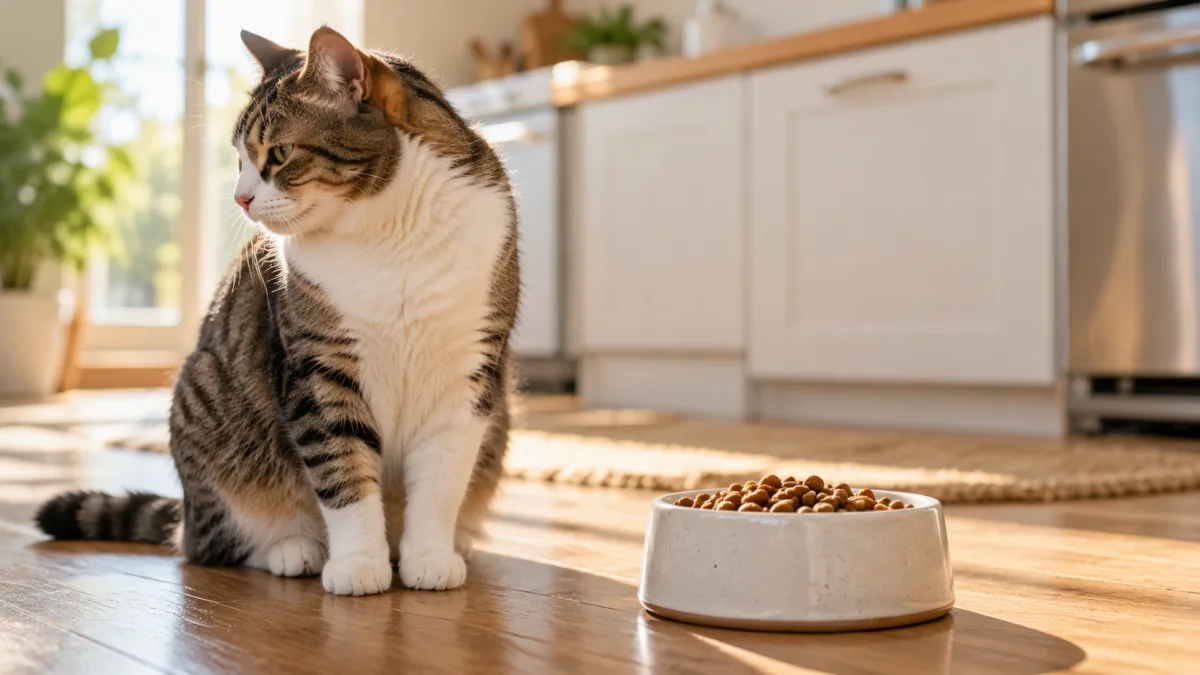
My Cat Won't Eat: Common Causes and What to Do
Why cats stop eating, safe ways to tempt appetite at home, and the warning signs that mean it is time to call the vet.
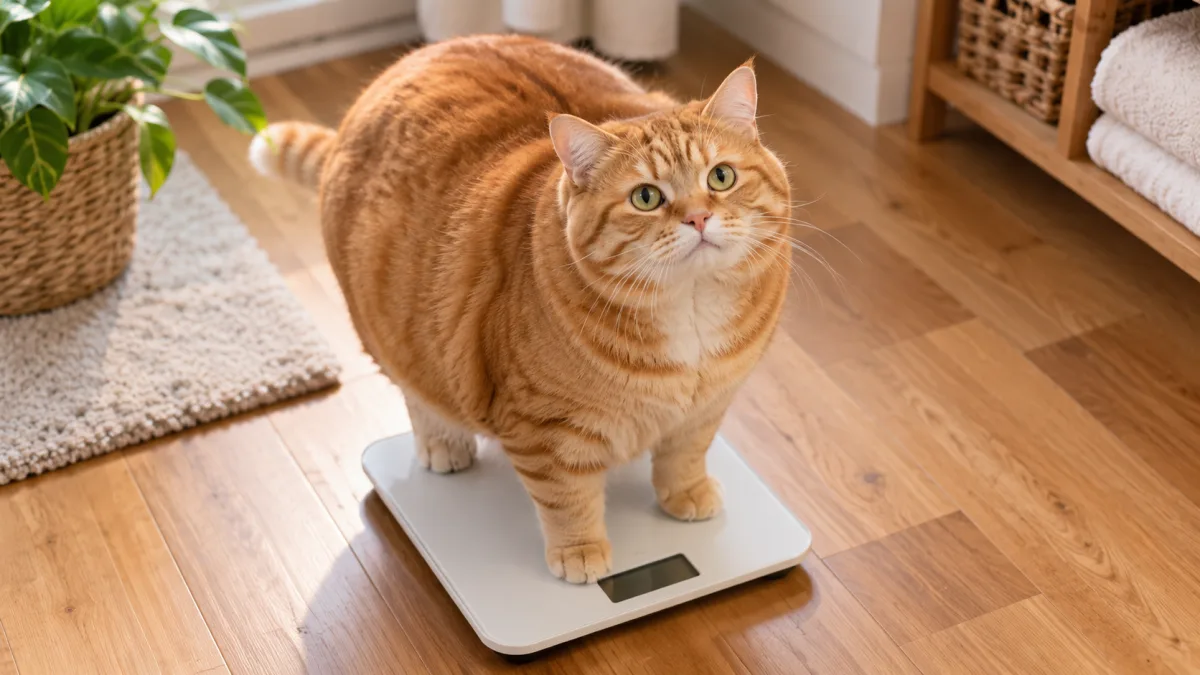
Is your cat a healthy weight? Enter current weight, build size, and a quick body-condition check to estimate an ideal weight range and a safe weekly weight-loss pace.
A home estimate based on the 9-point body condition scale (~10% over ideal per point above 5). Your vet's hands beat any calculator.
Estimated status
Your result appears here
Enter your cat's weight, frame, and rib check, then tap Check weight. We'll estimate an ideal range and a safe weekly change pace.
This check gives a ballpark, not a diagnosis. If the result surprises you, or the cat changed weight without a diet change, a vet visit and an actual scale score are the right next step.
There is no single number. Many average domestic cats sit around 4–5 kg (9–11 lb), but frame and breed shift the healthy range widely—body condition matters more than the scale.
Weigh yourself holding the cat, then weigh yourself alone and subtract. A kitchen or baby scale works for cats that will sit still for a few seconds.
A primordial pouch is loose skin that swings when the cat walks and is normal anatomy. Belly fat makes the abdomen round and firm and comes with padded ribs and no waist.
Unexplained weight loss in cats deserves a vet check before diet changes—it is a classic sign of thyroid, kidney, and digestive problems rather than simple underfeeding.
NewsPetCats offers general cat care information, not veterinary advice.
Why cats stop eating, safe ways to tempt appetite at home, and the warning signs that mean it is time to call the vet.
Find the real cause of litter box accidents, from health issues to box setup, location, and stress triggers.
Check your cat's body condition, set a safe weight-loss pace, plan measured meals, and keep a dieting cat healthy.
Retrain carrier fear step by step: make the carrier furniture, feed inside it, and practice short calm trips.