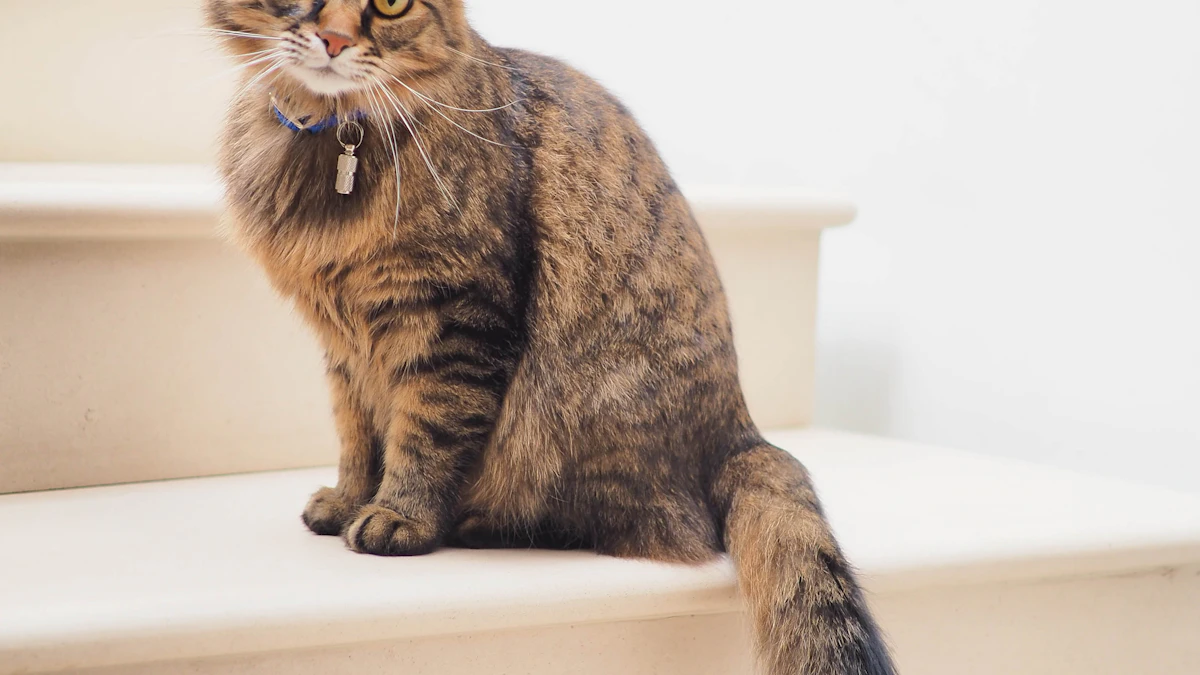

A cat that suddenly disappears under the bed can be worrying, but hiding is one of the most normal things a cat does. It is a way to feel safe, and it often has a clear trigger once you look for one.
This guide explains the usual reasons cats hide, how to help a hiding cat feel secure, what not to do, and when a change in hiding behavior is worth a veterinary visit.
Why Do Cats Hide?
Cats are both predators and prey animals. In the wild, a small enclosed space is protection, and that instinct carries into a living room. A box, a closet, or the gap under a sofa gives a cat a place to watch the world without being watched itself.
Hiding also helps a cat control its environment. A cat that feels overstimulated, startled, or unsure can retreat, reset, and come back out when it is ready. Seen that way, hiding is a coping skill rather than a problem.
Because the reason varies, the first useful question is not whether the cat is hiding but what changed around it. A new piece of furniture, a visitor, a loud noise, or an unfamiliar smell can all send a cat to its safe spot.
Hiding is closely tied to fear, and it is one of the clearest ways a cat signals that it does not feel secure. Our overview of hiding and fear in cats looks at how that instinct shows up in everyday life.
Common Situations That Make Cats Feel Unsafe
Most hiding has a trigger, even if it is not obvious at first. These are the situations that most often push a cat into a quiet corner.
- New surroundings: moving home, a new room, or a trip to a vet or groomer can leave a cat feeling exposed.
- Strangers and noise: visitors, parties, building work, or loud appliances are common causes.
- Other animals: a new pet or tension between existing cats sends the less confident cat into hiding.
- Change in routine: changed feeding times, rearranged furniture, or a shifted litter tray.
- Loud household events: vacuuming, moving furniture, or a crying baby.
- Feeling unwell: pain, nausea, or discomfort often shows up as withdrawal before any obvious sign.
Some cats hide for a short time after any change and bounce back within an hour. Others, especially shy cats, need days to work up to exploring again.
If a new cat is hiding because the whole home is unfamiliar, preparing a quiet starter room ahead of time gives it one small, safe area to settle into first.
How to Help a Hiding Cat Feel Secure
The goal is not to force a cat out of hiding. It is to make the room around the safe spot calm enough that the cat chooses to come out on its own.
- Give the cat space and keep the room quiet rather than reaching in or pulling it out.
- Make sure food, water, and a litter tray are within easy reach of the hiding spot.
- Offer a familiar blanket or a worn item of clothing so the space smells like home.
- Sit quietly nearby without staring, and let the cat approach you first.
- Keep lighting and sound low, and limit the number of people in the room.
It also helps to give every cat a legitimate box or covered bed to retreat to. A cat with a normal, allowed hiding place may hide less often under furniture, because it already feels it has somewhere safe.
What Not to Do When Your Cat Hides
Good intentions can slow a cat down. These are the responses that tend to make a hiding cat more anxious, not less.
- Do not drag the cat out of its hiding place; that teaches the spot is not safe.
- Do not corner or surround the cat with a group of people.
- Do not punish or shout, which adds fear without solving anything.
- Do not overcrowd with attention; a stressed cat usually needs less, not more.
- Do not block access to the safe spot before the cat has a better alternative.
It can be tempting to keep checking on a hidden cat. Short, calm visits that leave the cat in control work better than repeated handling.
When Hiding May Signal a Health Problem
Hiding protects a sick or uncomfortable cat. Because cats hide pain well, a change in hiding can be one of the first visible clues that something is wrong.
- Hiding that starts suddenly with no obvious cause, such as a visitor or a move.
- Staying hidden for a long period and refusing to come out for food or the litter tray.
- Hiding alongside reduced appetite, vomiting, diarrhea, or weight loss.
- A cat that hides and also seems painful, restless, or unusually quiet.
- Hiding combined with straining in the litter tray or avoiding it entirely.
A cat that hides and will not eat for more than a day is a reason to contact a veterinarian rather than wait. Changes in litter box habits, in particular, are worth prompt attention because they can point to a urinary problem.
Frequently Asked Questions
Is it normal for a cat to hide all day?
A shy cat may hide for much of the day after a change, but it should still eat, drink, and use the litter tray. If it stays hidden and skips these, seek veterinary advice.
How long does hiding last after a move?
It varies widely. Some cats settle in hours, while others take days or a few weeks. A quiet starter room and a predictable routine usually help.
Should I get my cat out from under the bed?
Usually no. Forcing a cat out can increase stress. Keep essentials nearby, stay calm, and let the cat come out on its own.