Kneading, sometimes called making biscuits, is one of the most familiar cat behaviors. A cat presses its front paws in a rhythmic pattern against a blanket, a lap, or another soft surface.
This guide explains where the behavior comes from, why cats knead people, and how to make the experience comfortable for both of you.
What Is Cat Kneading?
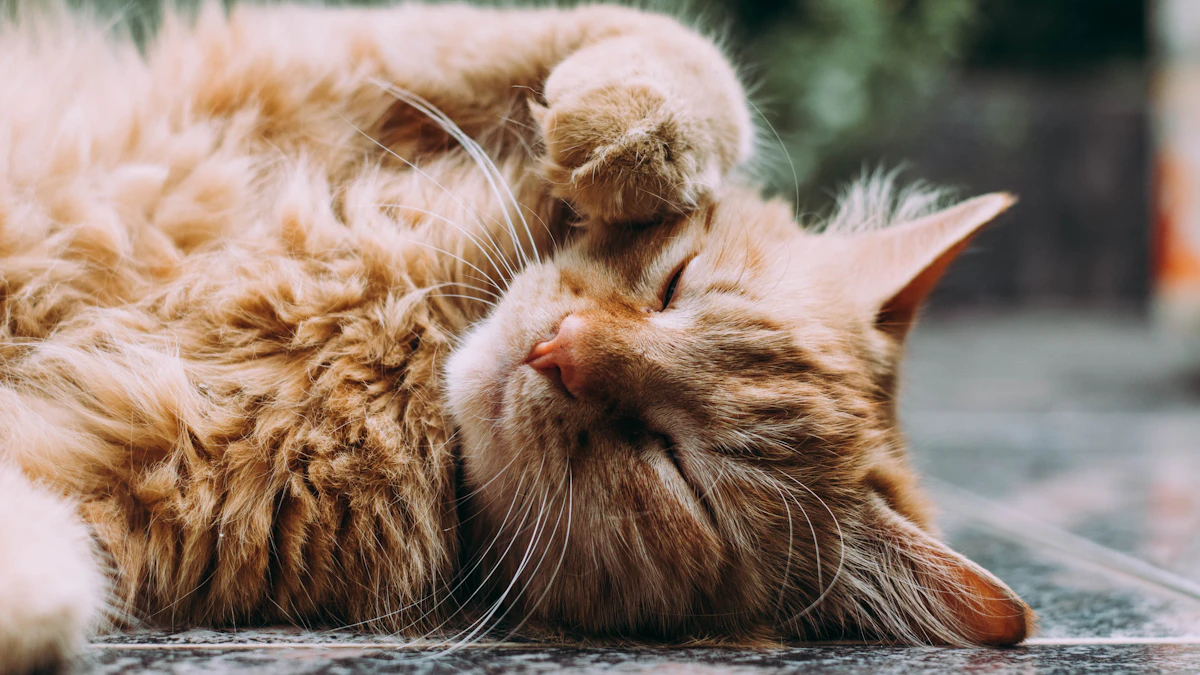
Kneading is a repeated push-and-pull motion of the front paws. Many cats alternate paws, and some extend their claws as they press. It often pairs with purring, drooling, or a half-closed, relaxed expression.
The behavior appears early in life. Kittens knead their mother’s belly to stimulate milk flow, and the motion seems to stay linked to feelings of safety and comfort into adulthood.
Kneading is generally a normal behavior, not a problem to fix. The main practical question is usually how to protect your clothes or skin while letting your cat enjoy it.
Why Do Cats Knead Blankets and People?
There is no single reason, and the same cat may knead for different reasons on different days. The most common explanations are comfort, scent marking, and settling in for rest.
- Comfort: the motion recalls nursing and is often linked to feeling safe.
- Scent marking: cats have scent glands in their paw pads, so kneading leaves a familiar smell.
- Nesting: a cat may knead a soft surface before curling up to sleep.
- Affection: many cats knead the person they are bonded to, often while purring.
- Stress or self-soothing: occasionally a cat kneads more when anxious, especially alongside other signs.
Some cats also knead a particular blanket or item and drool while doing it. As long as the cat is otherwise relaxed and healthy, this is usually harmless.
Is Kneading a Sign of Comfort?
Kneading often does suggest comfort, but not on its own. The same cat that kneads a favorite blanket may also knead when it is getting settled after stress or while feeling unwell.
Read the whole cat. Relaxed ears, soft eyes, and a steady purr point toward contentment. A crouched body, flattened ears, or kneading that looks tense and repetitive alongside changes in appetite or behavior is worth a closer look.
Why Do Cats Scratch Furniture?
Kneading and scratching are different behaviors, but owners sometimes confuse them. Scratching is a separate, purposeful action with its own set of reasons.
Cats scratch to maintain their claws, to stretch the muscles in their back and shoulders, and to mark territory with scent and visual marks. A cat does not scratch furniture out of spite.
- A tall, sturdy post lets a cat stretch fully, which a short or wobbly post does not.
- Both vertical posts and flat pads suit different preferences.
- Placing a post beside the furniture a cat already targets gives a better alternative.
- Sisal, cardboard, and wood offer different textures, and cats often have a favorite.
How to Encourage Appropriate Scratching
- Provide a post that is tall enough for your cat to stretch to full height.
- Put a scratching surface next to the furniture your cat already uses.
- Reward scratching on the post with praise or a treat.
- Make the furniture less appealing by covering it temporarily while the post becomes routine.
- Keep claws trimmed, and ask a professional for help if trimming is difficult.
Declawing is not a routine solution. It is a serious surgical procedure that removes part of the toe, and many veterinarians and animal welfare organizations advise against it. Focus on posts, pads, and trimming instead.
Frequently Asked Questions
Why does my cat knead me with its claws out?
Claws often extend naturally during kneading, especially on a soft lap. A thick blanket over your lap, or a cushion, protects your skin while letting the cat continue.
Should I stop my cat from kneading?
Kneading is usually normal and soothing, so it is generally better to redirect it onto a blanket or cushion than to stop it. Tell a veterinarian if kneading comes with signs of discomfort.
Do all cats knead?
No. Many cats knead, but others rarely do. Both are normal, and a cat that never kneads is not missing anything.